

Output Area at TL008041: Disability
Location Type: Output Areas, ONS Geographic Code: E00118746
added to comparison list.
Key Facts
| All Residents | 344 |
| Male | 178 |
| Female | 166 |
| Households | 119 |
| Population Density (people/km2) | 42.6 |
Postcodes Covered
HP1 2RF
HP1 2RG
HP1 2RP
HP1 2RR
HP1 2SB
HP3 0DR
HP3 0DS
HP3 0DT
HP3 0DU
HP3 0LY
HP3 0NG
HP3 0NH
HP3 0NJ
HP3 0NL
HP3 0NN
HP3 0NQ
HP3 0PG
HP3 0PZ
HP3 0GH
-
Related Census Areas
Is within
Borders with
Overlaps with
Contains
No contained areas found
| Table Code | ts038 |
| Issued | 2023-01-19 |
| Unit of Measure | Person |
| Number of Response Options | 5 |
 Description
 Data
Data Bar Chart
 Pie Chart
This dataset provides Census 2021 estimates that classify usual residents in England and Wales by long-term health problems or disabilities. The estimates are as at Census Day, 21 March 2021.
Summary
People who assessed their day-to-day activities as limited by long-term physical or mental health conditions or illnesses are considered disabled. This definition of a disabled person meets the harmonised standard for measuring disability and is in line with the Equality Act (2010).
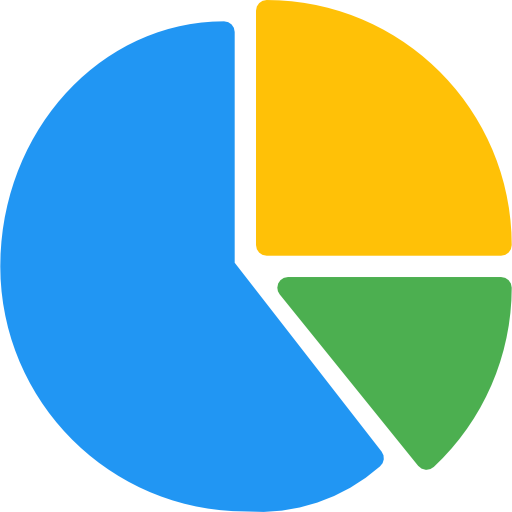
| Disability: Total: All usual residents | 344 |
|---|---|
| Disabled under the Equality Act | 48 |
| Disabled under the Equality Act: Day-to-day activities limited a lot | 17 |
| Disabled under the Equality Act: Day-to-day activities limited a little | 31 |
| Not disabled under the Equality Act | 296 |
| Not disabled under the Equality Act: Has long term physical or mental health condition but day-to-day activities are not limited | 22 |
| Not disabled under the Equality Act: No long term physical or mental health conditions | 274 |
 Bar chart not showing properly? Data with large numbers of options really needs a wider screen.
Try rotating your fondleslab into landscape mode and refreshing the page.
Bar chart not showing properly? Data with large numbers of options really needs a wider screen.
Try rotating your fondleslab into landscape mode and refreshing the page.