

Output Area at SD352241: Disability
Location Type: Output Areas, ONS Geographic Code: E00129441
added to comparison list.
Key Facts
| All Residents | 247 |
| Male | 132 |
| Female | 117 |
| Households | 100 |
| Population Density (people/km2) | 16.0 |
Postcodes Covered
PR9 8DB
PR9 8DD
PR9 8DE
PR9 8DF
PR9 8DH
PR9 8DL
PR9 8DR
PR9 8DX
PR9 8DY
PR9 8DZ
PR9 8EB
PR9 8EL
PR9 8HB
-
Related Census Areas
Is within
Borders with
Overlaps with
Contains
No contained areas found
| Table Code | ts038 |
| Issued | 2023-01-19 |
| Unit of Measure | Person |
| Number of Response Options | 5 |
 Description
 Data
Data Bar Chart
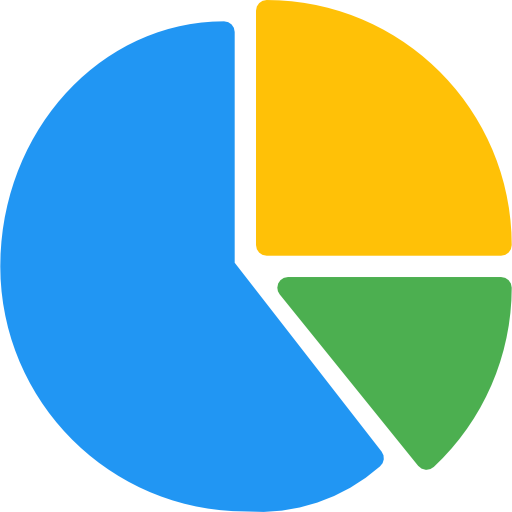 Pie Chart
This dataset provides Census 2021 estimates that classify usual residents in England and Wales by long-term health problems or disabilities. The estimates are as at Census Day, 21 March 2021.
Summary
People who assessed their day-to-day activities as limited by long-term physical or mental health conditions or illnesses are considered disabled. This definition of a disabled person meets the harmonised standard for measuring disability and is in line with the Equality Act (2010).
| Disability: Total: All usual residents | 249 |
|---|---|
| Disabled under the Equality Act | 62 |
| Disabled under the Equality Act: Day-to-day activities limited a lot | 32 |
| Disabled under the Equality Act: Day-to-day activities limited a little | 30 |
| Not disabled under the Equality Act | 187 |
| Not disabled under the Equality Act: Has long term physical or mental health condition but day-to-day activities are not limited | 17 |
| Not disabled under the Equality Act: No long term physical or mental health conditions | 170 |
 Bar chart not showing properly? Data with large numbers of options really needs a wider screen.
Try rotating your fondleslab into landscape mode and refreshing the page.
Bar chart not showing properly? Data with large numbers of options really needs a wider screen.
Try rotating your fondleslab into landscape mode and refreshing the page.